Services
Structured Cabling
Plan copper and fiber cabling with 2Sons: pathways, installation, labeling, testing, and coordination for commercial and institutional facilities.
Services
Fiber connects spaces that need a dependable backbone. 2Sons provides fiber-optic splicing and testing, supported by installation and project coordination that keep connections identifiable and serviceable.
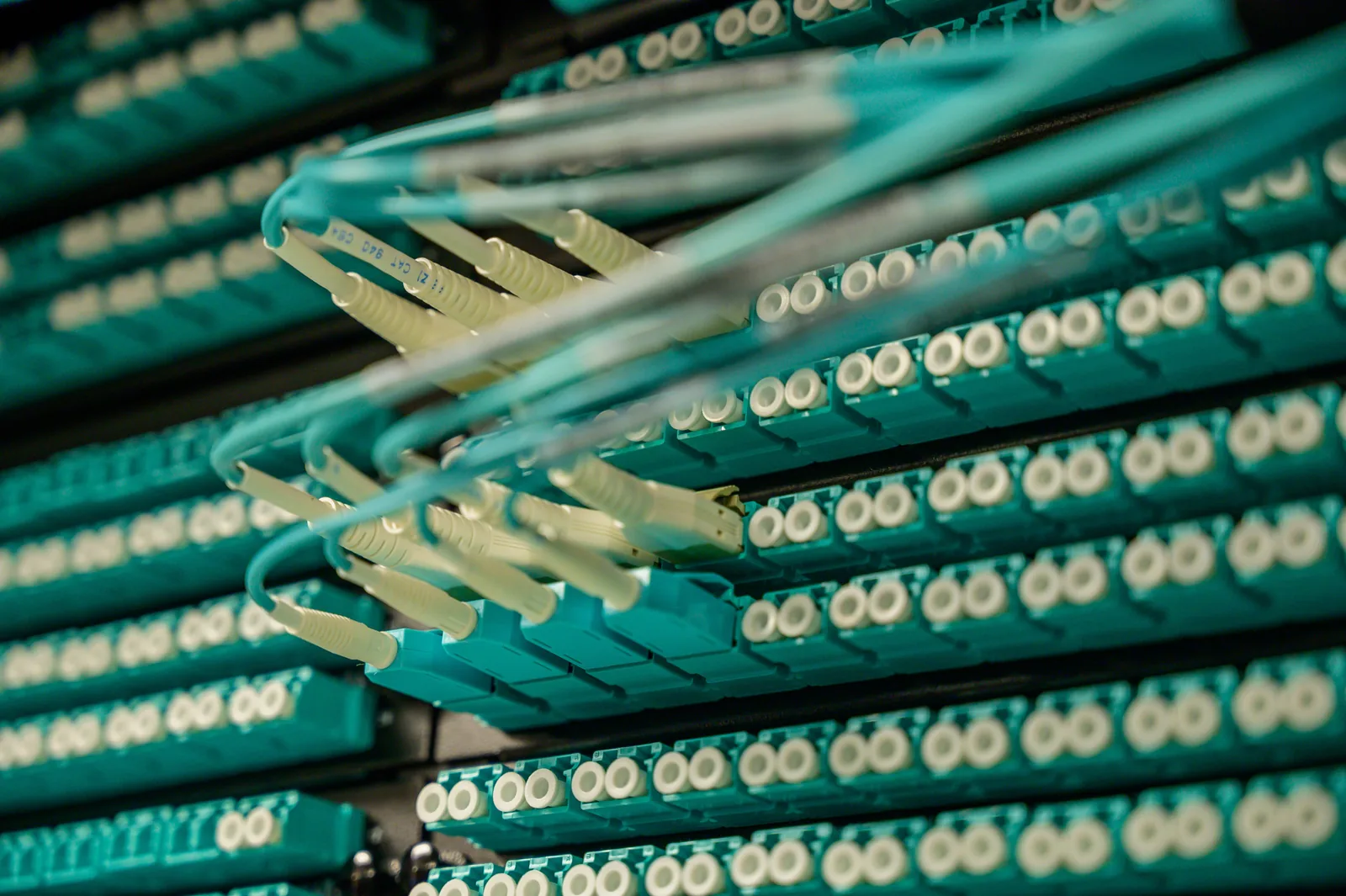
A fiber scope needs more than a start point and an end point. Fiber type, strand allocation, connector requirements, routing, and the intended equipment all influence how the link should be installed and verified.
2Sons provides design support, installation, testing, commissioning, and service for the agreed fiber scope. Bring existing drawings and available test records so that new work can be evaluated alongside infrastructure intended to remain.
Splicing creates a connection within the fiber path; the enclosure and identification around that connection determine how readily it can be maintained. Confirm access to splice locations and termination hardware before scheduling work.
A loss test evaluates how much optical power is lost through a link. An OTDR trace can help locate events along it. These methods answer different questions; the required instruments and acceptance criteria should be defined in the project scope, not assumed from the word testing.
Results are most useful when link identifiers, test conditions, and acceptance limits are clear. Discuss the required test method and report format with 2Sons before work begins.
Fiber may connect equipment rooms within commercial, institutional, or public buildings. It also supports the infrastructure behind network-connected security and AV equipment, subject to the equipment design.
Professional handling and accurate records reduce uncertainty when links are changed or investigated later. Preserve the route, splice, and termination information alongside the final acceptance records.