Services
Structured Cabling
Plan copper and fiber cabling with 2Sons: pathways, installation, labeling, testing, and coordination for commercial and institutional facilities.
Services
An AV system should be planned around what people need to see, hear, and do in the room. 2Sons provides audio-visual design support, installation, testing, commissioning, and service.
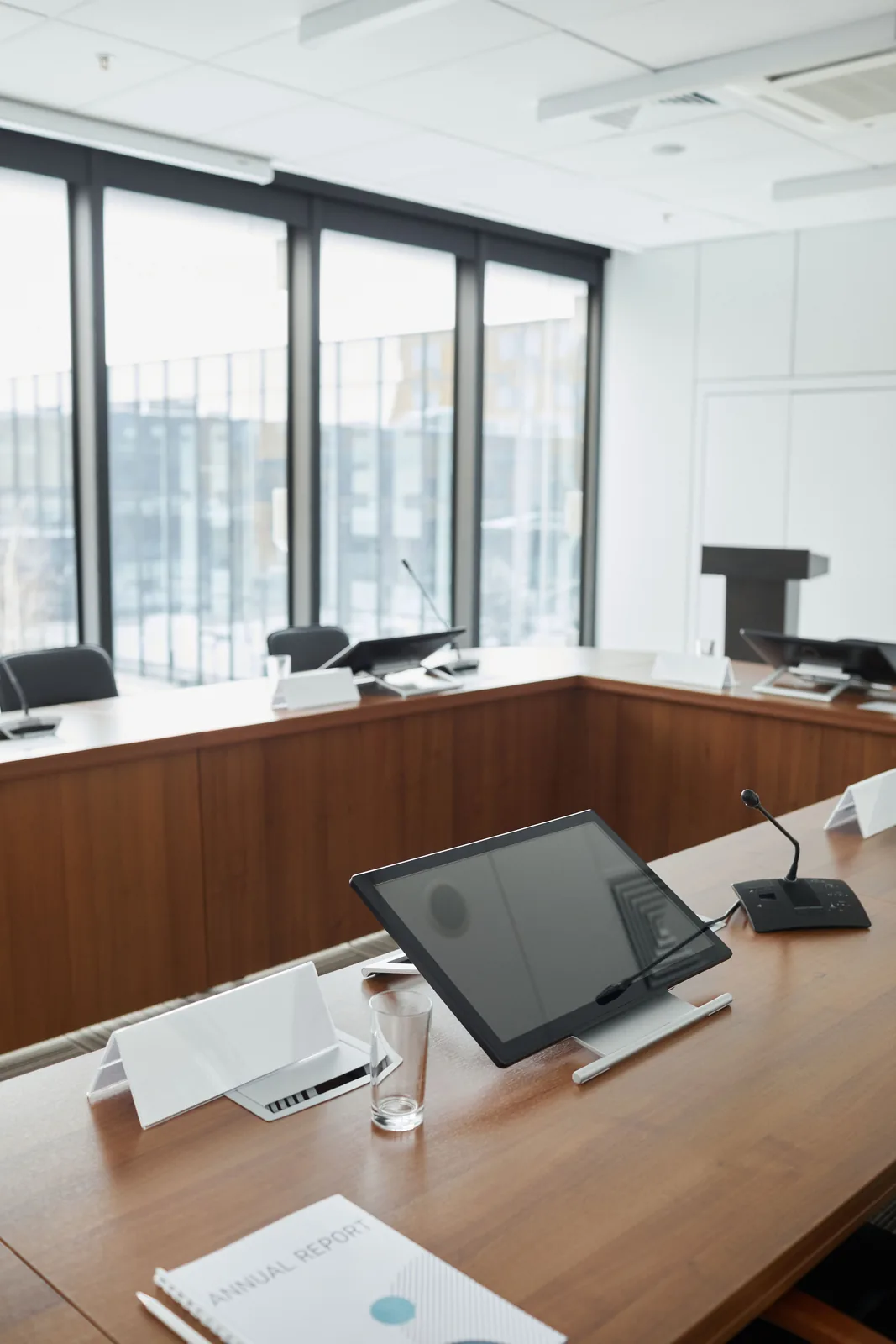
A meeting, presentation, or shared learning space can need different source connections, display positions, and audio arrangements. Begin with the intended activities and who operates the room, rather than assembling an equipment list first.
Clarify which owner-furnished equipment and software will be used. Everyday devices and changing room layouts can expose mismatches that are easier to address during planning than after installation.
AV planning crosses furniture, mounting, cable pathways, power, and network responsibilities. Confirm the practical location of user connections and equipment access before finishes are complete.
Testing should follow the intended room activities: selecting a source, showing content, adjusting sound, and returning to a known state. Agree on acceptance examples so the owner and installation team evaluate the same result.
Where AV shares network infrastructure, confirm the requirements with IT. A cable connection does not establish compatibility between devices, applications, or control systems.
Clear connections and understandable operating information help the owner use the installation consistently. Record the agreed settings and access arrangements so that service work does not begin with guesswork.
Commercial and institutional settings often combine AV with structured cabling and security work. Coordinating those scopes can reduce conflicts in pathways and installation access while keeping each system’s requirements distinct.