Services
Structured Cabling
Plan copper and fiber cabling with 2Sons: pathways, installation, labeling, testing, and coordination for commercial and institutional facilities.
Planning Guide
Copper and fiber solve different connection problems. A project may need both. The useful question is which medium fits each link and the equipment at its ends.
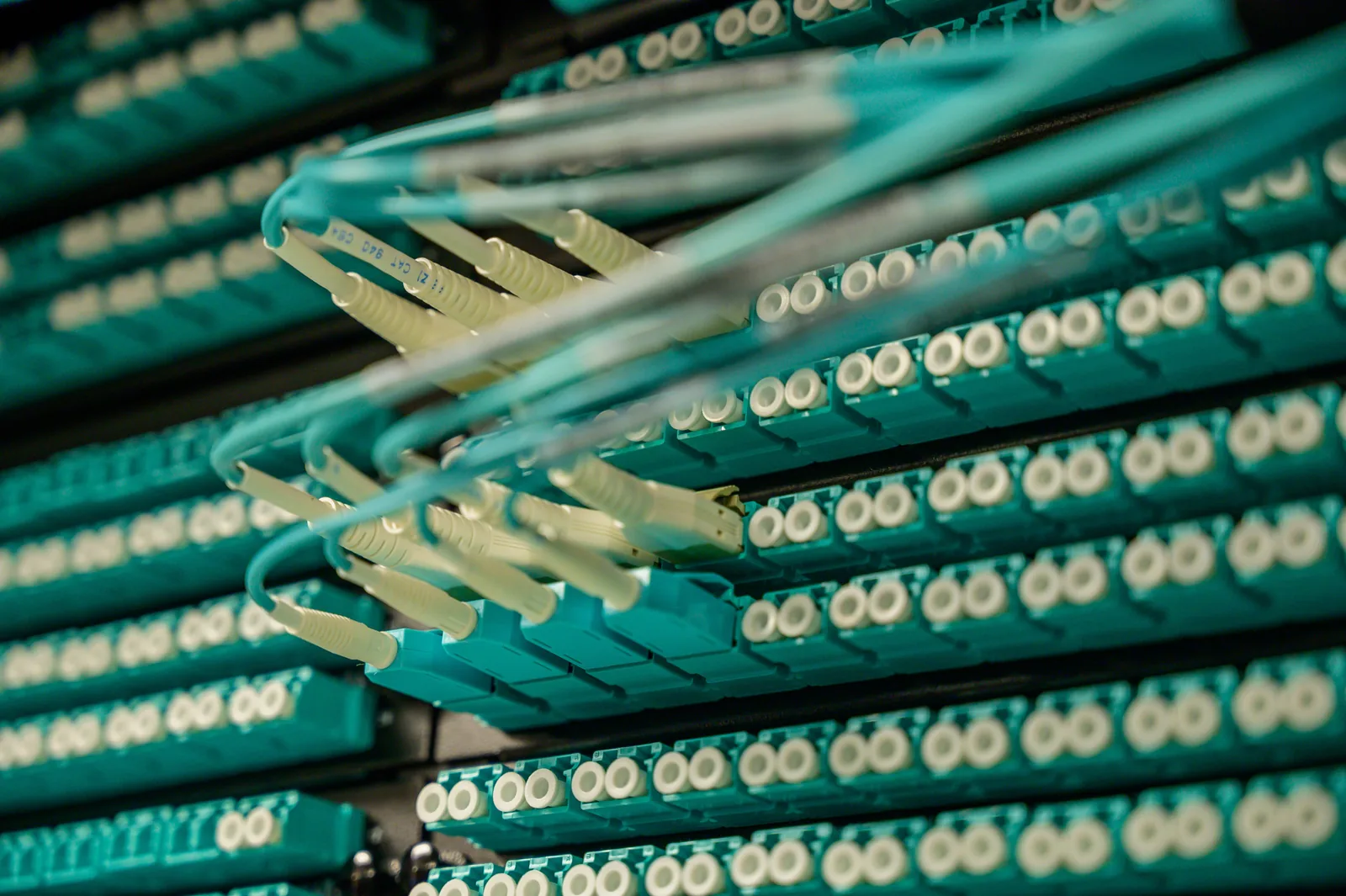
Identify the equipment, required connection performance, and physical route. The suitability of a link depends on the complete arrangement, including cable, terminations, and connected equipment. Avoid choosing a medium from a headline speed alone.
Copper is commonly used for connections to devices in occupied spaces. Fiber is often considered for backbone links between equipment locations. Those patterns are starting points for planning, not a substitute for the project design.
Some copper network connections can also deliver power when the equipment and cabling arrangement support it. Fiber carries optical signals and does not supply device power through the glass strands. Equipment needing power still requires an appropriate provision.
Check the interfaces at both ends. A fiber route needs compatible optical components and a coordinated fiber type; copper also needs a cable and termination arrangement suited to the intended application.
Consider routing, installation access, termination space, protection, and maintenance. A material-only comparison can miss the labor and equipment that make the connection usable.
For existing infrastructure, collect records and evaluate what is installed before deciding to reuse it. Appearance alone does not establish suitability for a new application.
Copper and fiber require different test methods. Define the intended acceptance criteria and the records the owner needs before the installation begins.
2Sons provides structured cabling and fiber-optic splicing and testing. Bring the link locations, intended equipment, and existing infrastructure information to discuss which questions need to be resolved for your project.