Services
Fire Alarm Systems
Discuss fire alarm installation, testing, commissioning, and service with 2Sons, including project coordination and acceptance planning.
Planning Guide
A fire alarm upgrade begins with understanding the existing system and the reason for change. Equipment age, altered spaces, and project requirements need a coordinated review before installation decisions are made.
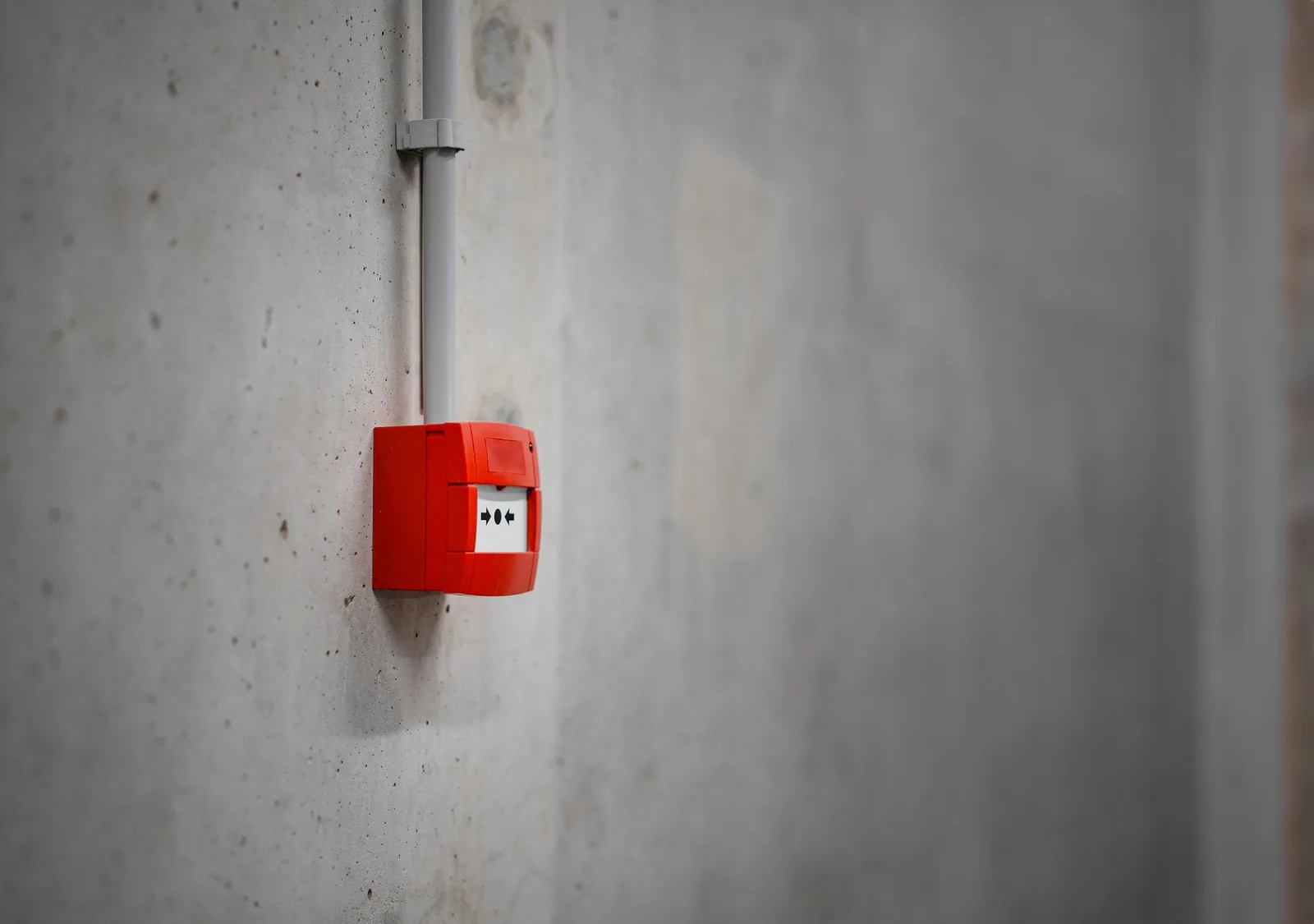
Locate available drawings, equipment details, and prior test records. Identify what the project intends to retain and which conditions still need investigation. Missing documentation should be visible in planning rather than treated as confirmation that existing equipment can remain.
Describe the trigger for the work: a renovation, an addition, an operational issue, or another defined requirement. The reason for change helps the responsible team establish the appropriate scope.
The project’s applicable requirements and acceptance process must be established with the responsible professionals and authority having jurisdiction. Compatibility between existing and proposed equipment must also be checked.
This is planning guidance, not instructions for modifying a life-safety system. Do not bypass, disconnect, or reconfigure an active system without the required authorization and procedures.
Identify who authorizes interruptions, coordinates any required impairment procedures, and communicates with affected parties. Work windows should include the testing and restoration activities necessary for the approved scope.
Interfaces with other building systems need their own responsibilities and verification sequence. Document who supplies each connection and who participates in testing it.
Agree on required records, demonstrations, and attendance early enough to support the project schedule. Installation completion and final acceptance are separate milestones.
2Sons provides fire alarm design support, installation, testing, commissioning, and service. Include existing records, the proposed changes, and known approval requirements when discussing an upgrade.